

Summer school is often a mix of best intentions and limited time. Teachers step in from across grade levels, leaders pull together lessons for a wide range of abilities, and students walk into classrooms that often look and feel different from what they experienced during the school year. It’s no surprise that summer math has long been one of the trickiest learning environments to design well.
But in conversations with districts across the country, a new theme is emerging: summer math is starting to feel different. Lighter.
More joyful. More meaningful. More Impactful.
For many, that shift began when they adopted ST Math Summer Immersion.
A Summer That Finally Feels Designed for Summer
Many educators shared that they had been building their own summer programs for years. Some stitched together lessons from different places, while others tried to simplify their year-round curriculum. But the results were often inconsistent and incredibly time-consuming.
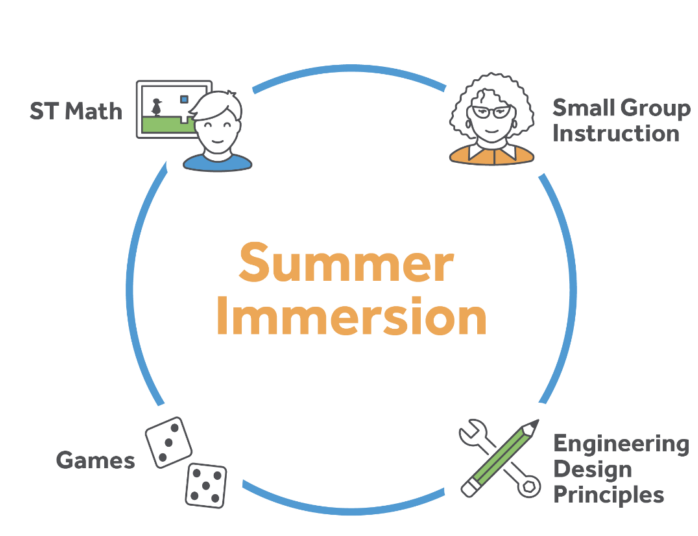
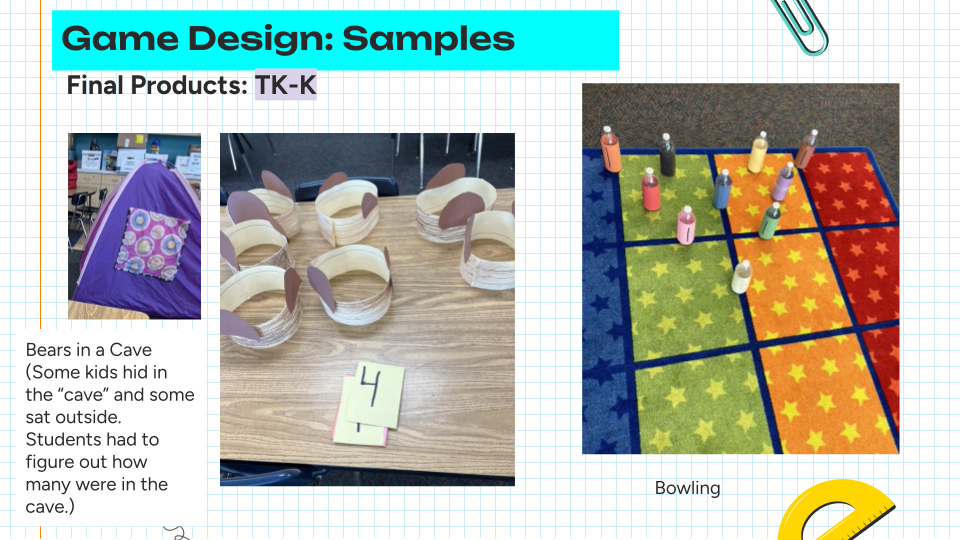
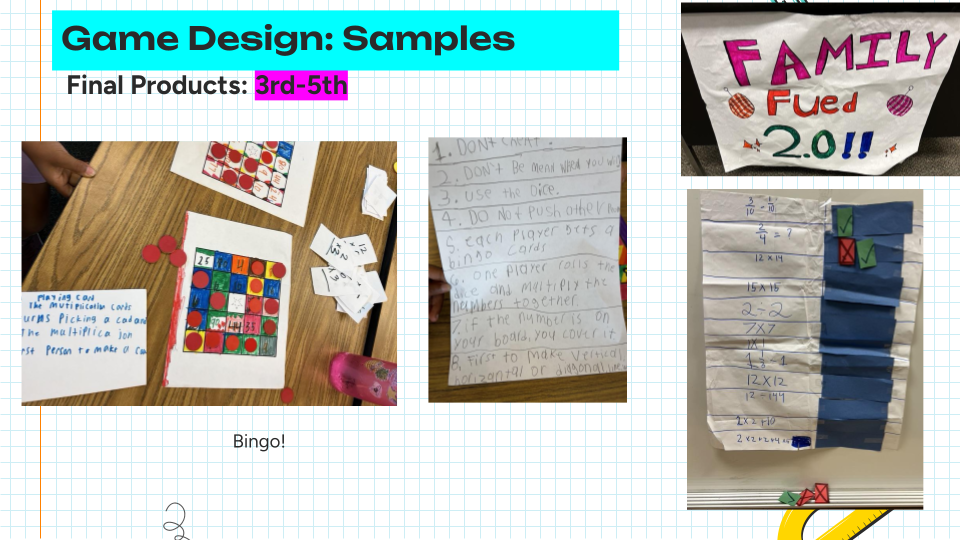
For them, ST Math’s Summer Immersion offered a refreshing alternative designed specifically for summer: an intentionally designed 4–6 week model that blends ST Math’s visual puzzles with hands-on table games, collaborative activities, and a culminating STEM project.
Teachers no longer needed to reinvent instruction each year; they could focus instead on facilitating learning, building relationships, and watching students make meaningful connections.
One educator from Riverside USD captured this perfectly:
It’s structured and engaging; kids get both clear guidance and creative outlets.
For many districts, that’s the balance they’d been trying to build on their own for years.
The Summer Planning Burden—and a Program That Finally Lifts It
For administrators, summer school often feels like assembling a full program with only half the time. Compressed schedules, shifting staff, and the need for materials teachers can use right away all add layers of pressure before students even arrive.
ST Math Summer Immersion helps ease that lift by offering a model built for the realities of a short summer window. Its blended structure fits neatly into 4–6 week programs and gives teachers everything they need up front, from ready-to-use lessons to hands-on activities that genuinely resonate with students. Rather than scrambling to patch together resources, teams can focus on facilitating meaningful learning.
Dr. Kiva Spiratos, Director of Education Services at Fountain Valley School District, described it this way:
Summer Immersion is a complete, prep-free math program that fills learning gaps and equips teachers with high-quality tools they continue using long after summer ends.
And because students engage through visual puzzles and conceptual experiences, teachers see deeper thinking emerge faster. Administrators also appreciated that the program’s reporting tools made progress easy to monitor, giving them a clearer picture of student growth week by week. In a season where every moment matters, Summer Immersion helps ensure those moments become real learning.
How Summer Immersion Became a Game Changer for Aurora Public Schools
Aurora Public Schools offers a powerful example of what can change when summer learning is designed with intention.
Dr. Beth Joswick, Elementary Math Instructional Coordinator, shared that year after year, she found herself spending hours on creating a summer math program that would be both effective and engaging that could also close gaps for students in a very limited time frame.
Building our own was time-consuming, frustrating for teachers, and not engaging for kids. ST Math’s Summer Immersion aligns with our philosophy, is accessible for varied teacher backgrounds, and easy to set up.
When searching for a program, the team struggled to find options that aligned with their vision for conceptual, inquiry-based math.
There aren’t many math summer programs. Others we found didn’t align with our inquiry-based approach; many are heavy on procedure. ST Math Summer Immersion aligns with our district’s inquiry based math vision and supports conceptual understanding.
The difference was quickly recognizable when the next school year came around.
We noticed more consistency across classrooms, streamlined planning, and deepened content knowledge. Students were connecting summer learning to the school year, I started hearing kids making connections during the school year to things they did in summer school. It was a game changer.
Real Access for Multilingual Learners
Across districts, one of the clearest and most deeply felt impacts of Summer Immersion is how it opens the door to meaningful math learning for multilingual learners.
Teachers described watching students thrive in ways they hadn’t seen with traditional, language-heavy summer materials. Because ST Math relies on visual models and spatial reasoning rather than language, students can show what they know even while developing English.
As one educator reflected:
We so often equate mathematical ability with language acquisition. Summer Immersion helps us see the rich math thinking students already have. It provides access without needing to deeply know how to support multilingual learners. The program does that naturally.
For students arriving mid-year, newcomers to English, or learners who simply need a different entry point to math, this kind of access is transformative.
Something Worth Keeping
Summer school often brings together teachers from different grade levels, different subject areas, with varied backgrounds and experience. This makes accessible implementation essential. And this is where Summer Immersion’s built-in scaffolds make a noticeable difference.
Districts shared that once they implemented Summer Immersion, they started to see something shift in summer programs: consistency, joy, creativity, and clear evidence of learning.
Dr. Beth Joswick put it simply,
Kids love it, teachers love it, and teachers often learn from it and ask for year-round access. We found something that works — we’d fight to keep it.
And Dr. Melanie Maxwell echoed:
It’s a summer program that balances creativity and structured activities for kids.
For many districts, that balance is exactly what summer learning has been missing, and exactly what is helping summer math finally feel like a season of possibility.