

There’s a lot happening in ST Math this year!
For 2026–27, we’re continuing to refine the student experience, give educators clearer insights, and provide better support for productive struggle—all informed by what we’re learning from students, educators, and millions of puzzle interactions.
From more focused learning journeys to clearer reporting, expanded flexibility, and new ways to support persistence, here’s what’s new in ST Math this year.
More focused learning journeys
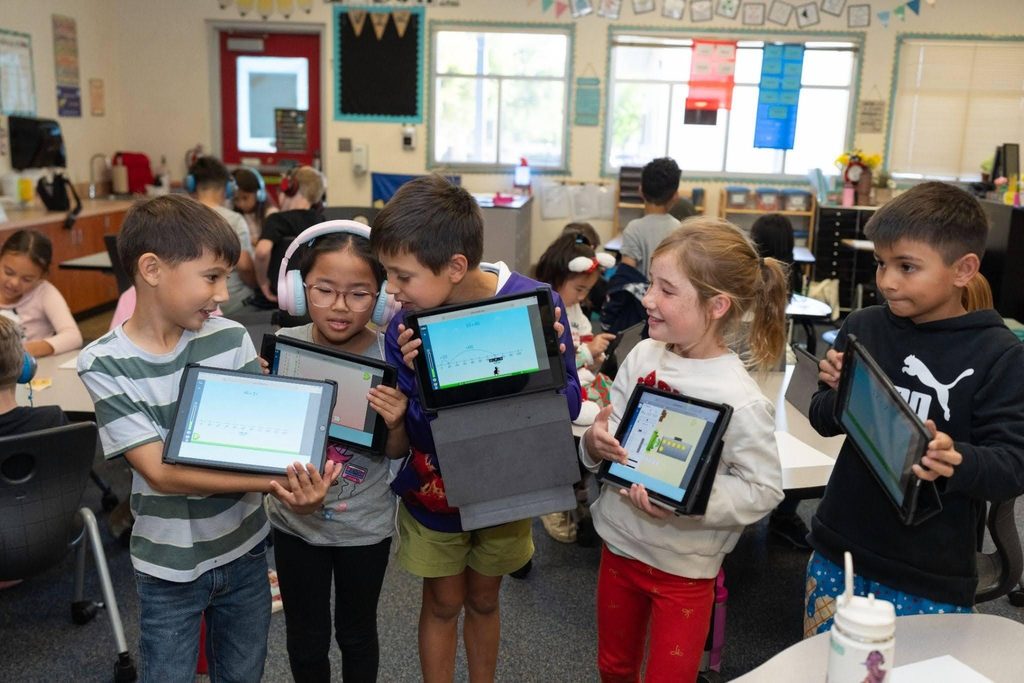
ST Math learning journeys continue to be refined using student interaction data across millions of puzzles.
This year, we’ve optimized journeys to focus student time on high-value problem-solving experiences, prioritizing the games and puzzles that most effectively build students’ mathematical understanding.
The goal isn’t simply fewer puzzles. It’s making the time students spend in ST Math as purposeful as possible.
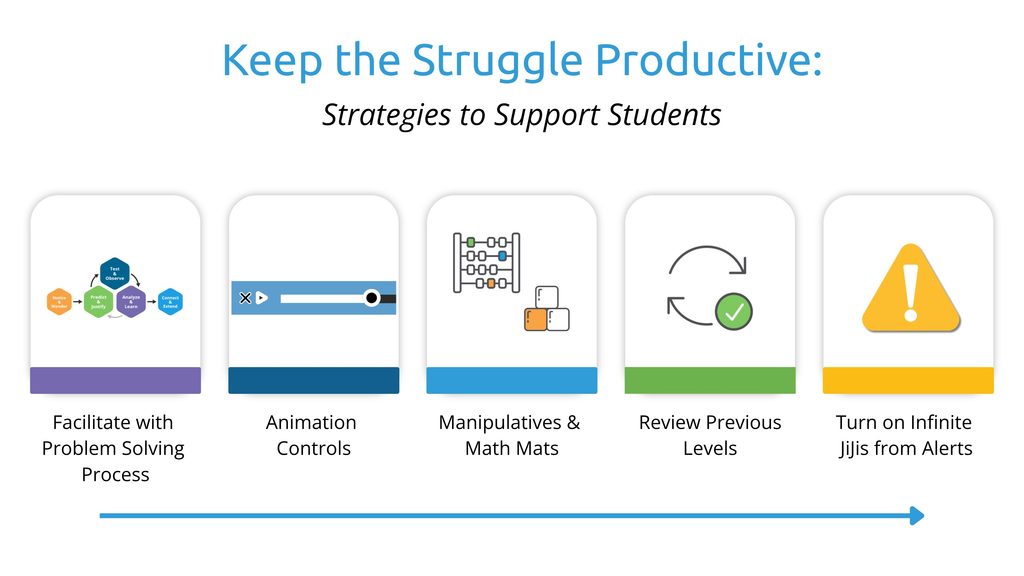
More support for productive struggle
Productive struggle is an essential part of learning with ST Math. Students try an idea, see the visual feedback, adjust their thinking, and try again.
This year, two enhancements provide additional support when that struggle becomes especially persistent.
Automatic Infinite JiJis will automatically activate unlimited lives when a student reaches a high attempt threshold on a level, allowing them to continue working and learning from visual feedback without interruption.
Redesigned Level Attempt Alerts will also notify educators when a student reaches 10 or more attempts on a level and connect them with targeted instructional resources.
Together, these enhancements give students more room to persevere while helping teachers recognize when some additional support may be useful.
Acorn Factory is back
A favorite ST Math game is returning to the curriculum.
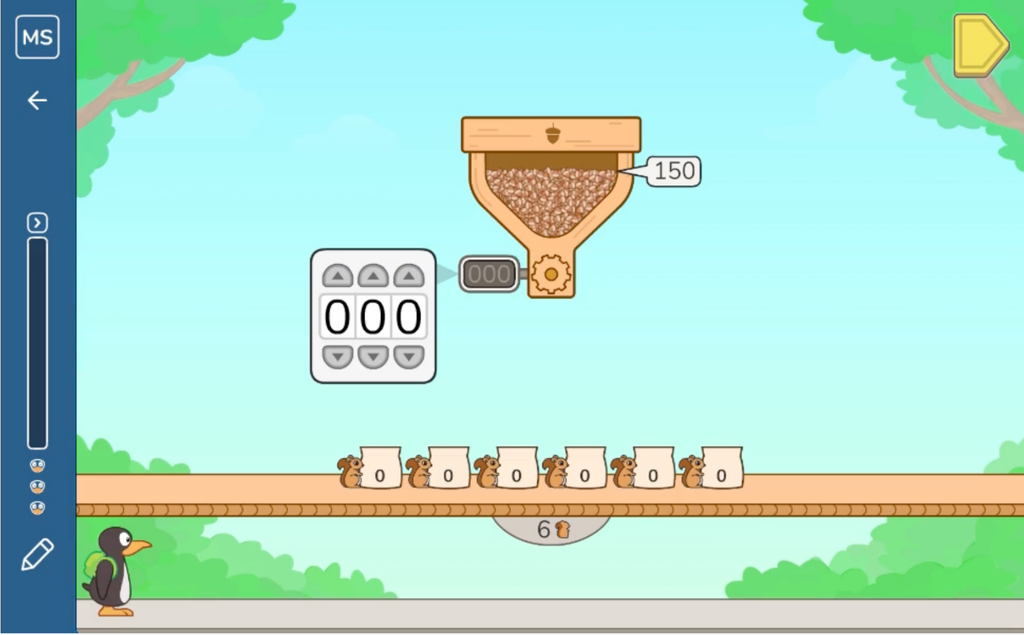
Acorn Factory helps students develop an understanding of long division visually before introducing formal algorithms or procedural steps.
After technical updates, the game is back—giving students another opportunity to experience and make sense of the mathematics before moving to abstraction.
See student progress at a glance
Teachers need clear information they can act on quickly.
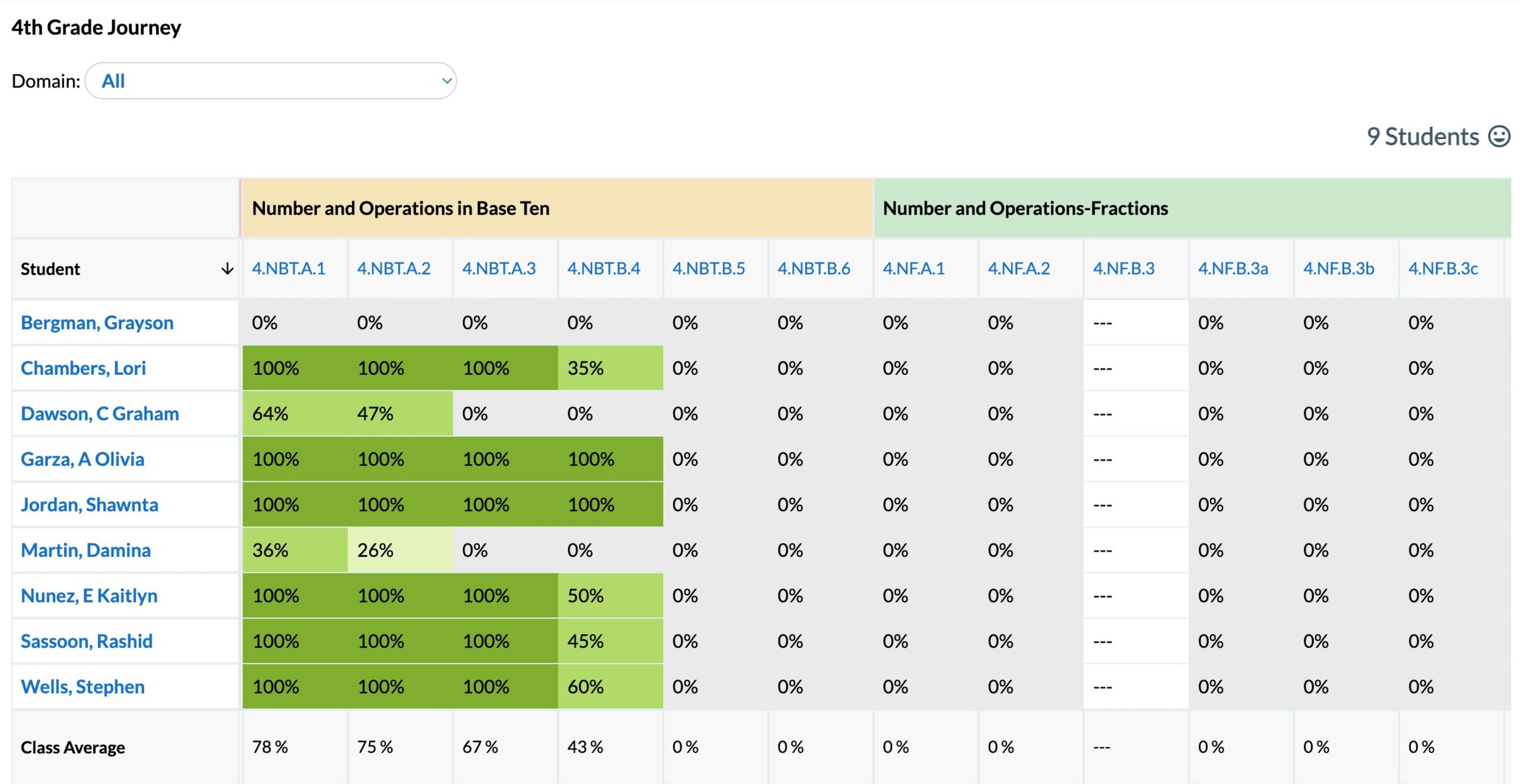
A new Objectives Progress Table provides a visual, single-screen view of student progress across learning objectives. Rather than toggling between multiple pages, educators can scan progress more easily and identify where students may need support, or where there’s progress worth celebrating.
See puzzle progress aligned to standards
We’ve also improved how educators connect ST Math progress to instructional goals.
Redesigned tabs in the Class Hub, along with a dedicated Standards Tab in the Objective Hub, make it easier to see how student puzzle progress aligns with state and district standards.
These improvements are designed to make standards-related information easier to find and more useful for instructional planning.
More useful reporting
ST Math reporting continues to become clearer and easier to use. Expanded reporting metrics include:
- weekly minutes
- weekly puzzles completed
- login percentages
- clearer distinctions between totals and averages
Data exporting has also been enhanced, giving school and district leaders more flexibility when reviewing and analyzing ST Math data. The result is less time searching for information and more time using it.
Wider reach. Less lift. Easier to start.
One of the biggest additions this year is ST Math Focus—a new, more flexible entry point to the ST Math experience.
Focus combines carefully selected ST Math learning objectives with high-priority grade-level mathematics in a streamlined journey that preserves the visual-first instruction, student motivation, and independent learning experience that define ST Math.
It’s designed to make getting started easier: school-site access, a lower-lift implementation, and a schedule that can fit into as little as 30 minutes per week. Schools can start with one campus and expand into the broader ST Math experience when they’re ready.

Looking ahead: MathFluency+
And the work doesn’t stop with ST Math.
Planned for spring 2027, MathFluency+ is a new learning experience focused on building mathematical facts fluency while simultaneously supporting the development of executive functions.
We’ll have much more to share as MathFluency+ gets closer to launch.
What’s next is already taking shape
These enhancements are part of a broader period of investment and innovation across MIND.
We’re continuing to explore new ways to strengthen learning experiences, give educators more useful information and support, and create more flexible ways for schools to put MIND’s approach to learning into practice.
Some of that work is already visible. Some of it is still taking shape.
So while this is our list of what’s new for 2026–27, JiJi’s journey isn’t finished yet.
Stay tuned. There’s more to come!